During this period of intense commercial activity, the scenic mountain country became a popular attraction once the railroads opened relatively easy access to it. Some of the logging camps such as Elkmont began to evolve into tourist hotels. When the Great Smoky Mountains National Park was established in the 1930s, lumbering ceased and the area re-emerged as “the Peaceful Side of the Smokies.” With the end of lumbering activities came the removal of the railroad tracks that used to run through the valley. These rail beds provided the beginnings of roadways and trails into the Smoky Mountains. In the mid-1930s, most of the forest land originally acquired by Wilson B. Townsend was sold to the state which then turned it over to the National Park Service to form a large part of the Great Smoky Mountains National Park.
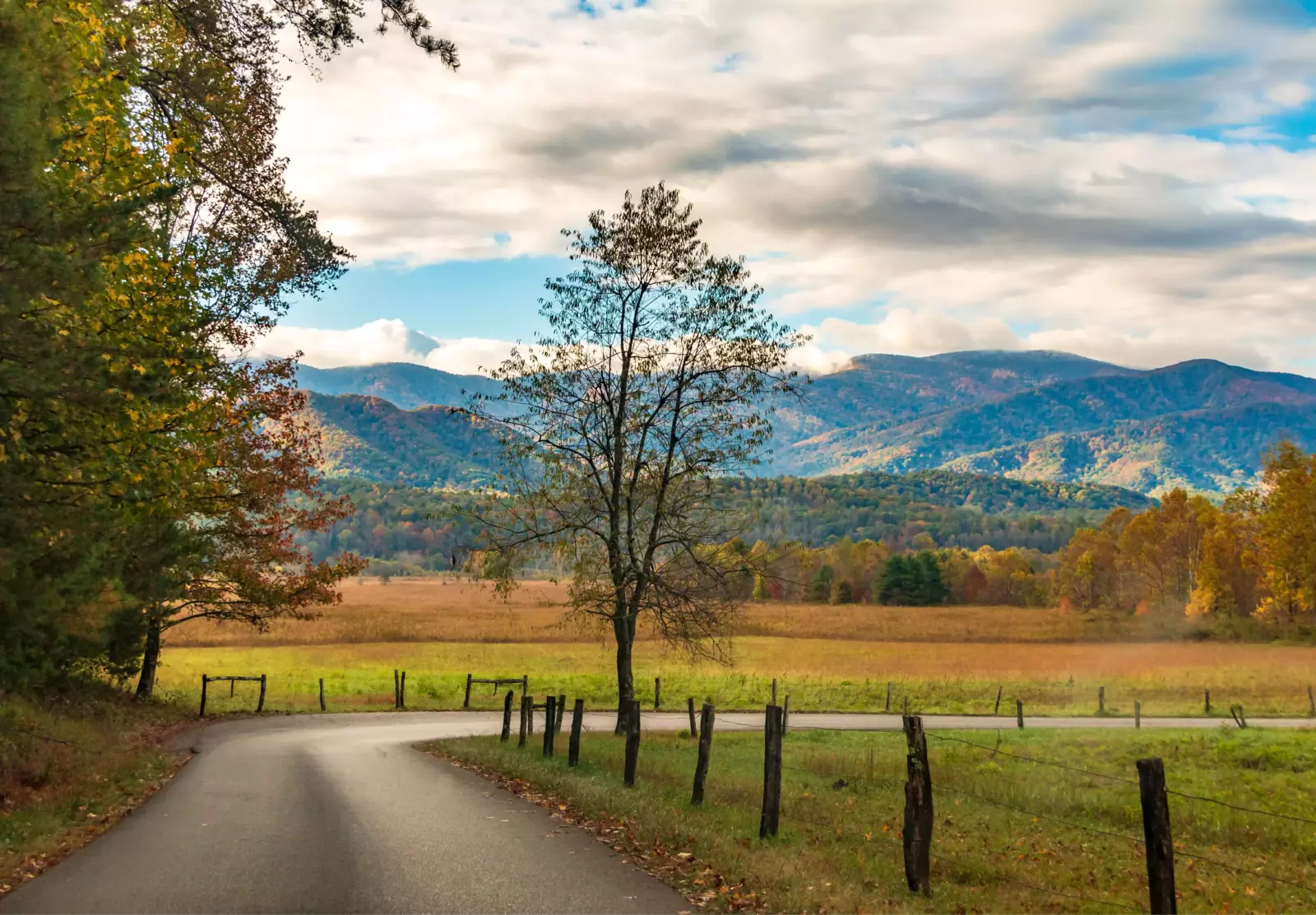
Because of its proximity to Cades Cove and access to the Great Smoky Mountains National Park, Townsend has become a major destination for visitors to the Smoky Mountains.